The Biohack Lab — The real case for cold plunging
Cold Therapy

The real case for cold plunging

By Dr. Elena Marsh · July 2, 2026 · 7 min read

Cold water immersion has gone from fringe ritual to mainstream recovery tool in under a decade. But between the influencer theatrics and the actual physiology, it's worth asking a simple question: what does the cold really do?

What happens in the cold

When you submerge in water below roughly 15°C, peripheral blood vessels constrict, shunting blood toward your core. Heart rate variability shifts, noradrenaline surges, and your nervous system flips into a controlled stress response. The discomfort is the point — it's a hormetic stressor your body adapts to.

That adaptation is where the benefits live. Repeated, brief cold exposure appears to blunt the inflammatory response, sharpen mood via dopamine, and build a measurable tolerance to acute stress.
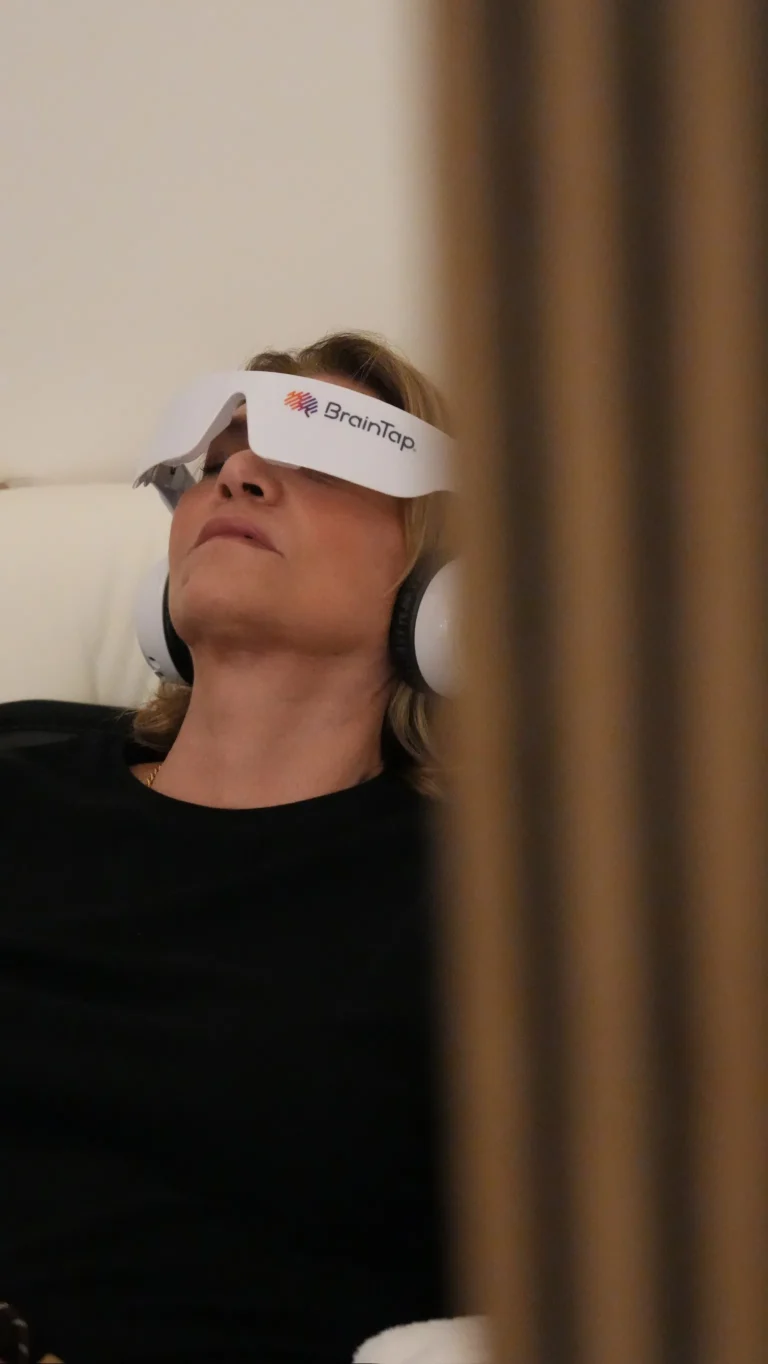
Cold plunge recovery
Controlled cold exposure at The Biohack Lab, MiMo

"The cold isn't magic. It's a repeatable, measurable stressor — and your adaptation to it is the whole benefit."

How to dose it

For general recovery and mood, two to four sessions per week of two to four minutes each is a sensible starting range. One important caveat: cold immediately after resistance training may blunt muscle-building signalling, so athletes chasing hypertrophy should separate the two by several hours.

Start warm-adjacent — around 12–15°C — and let adaptation, not bravado, guide the temperature down. Always plunge with supervision, and never alone.

EM
About the author

Dr. Elena Marsh

Sports medicine physician and recovery lead at The Biohack Lab. Elena translates the research on hormesis, thermal therapy and human performance into protocols members can actually use.

Keep reading

Related articles

FAQ

Questions, answered

Is this article medical advice?
No. Our articles are educational and reflect the current research as we read it. They are not a substitute for personalised guidance from your own physician, especially if you have an existing condition or take medication. Always check with a professional before starting a new protocol.
Where do the claims and sources come from?
We draw on peer-reviewed studies, clinical guidelines and the practical experience of our recovery team. Where a claim rests on a specific study, you'll usually find it referenced in our Research Library, which links back to the original source.
Who writes for The Biohack Lab?
Our articles are written and reviewed by the practitioners who run the lab — including sports-medicine physicians and recovery specialists who translate the research into protocols members can actually use.
Can I try the modalities mentioned here?
Yes. Nearly everything we write about is available across our South Florida labs. Book a single session or ask our team how a given modality fits into your recovery plan.
How can I share or subscribe?
Feel free to share this article with anyone who'd find it useful. To get new pieces as they publish, join our newsletter below — recovery tips, new research and member offers, straight to your inbox.
Stay in the loop

Join the ritual

Recovery tips, new research, and member offers — straight to your inbox.

Powered by HubSpot
Scroll to Top